Short Sands Beach Surf Lessons: Wind, Tide, Swell, and Why Smaller Waves Build Better Surfers

Updated: Feb 5
Surfing at Short Sands Beach is often misunderstood by visitors. From the outside, it looks like a simple beginner beach. However, to locals, Short Sands—often called “Shorty’s”—is a nuanced, cold-water surf zone. Here, timing, conditions, and equipment choices matter more than raw bravado. Learning to surf here the right way means understanding how to read the wind, tide, and swell like the locals do. It’s essential to grasp why smaller, cleaner waves are actually the fastest path to real progression. This guide builds on our complete local breakdown of surfing at Short Sands Beach, where we explain access, conditions, etiquette, and why this cove is one of the best places to learn on the Oregon Coast.
Understanding Short Sands as a Learning Wave
Short Sands sits inside a protected cove within Oswald West State Park. This natural shape blocks much of the prevailing wind and filters incoming swell. Because of this, it’s considered one of the most beginner-friendly surf breaks on the Oregon Coast. But friendly does not mean random. The beach works best when conditions align, rewarding patience and restraint.
Local surfers know that Short Sands isn’t about chasing size. It’s about finding clean, manageable energy that allows for repetition, balance, and control—especially in cold water.
Best Tide for Surfing Short Sands
The most reliable tide window at Short Sands is generally mid-tide coming in. As the tide rises, the sandbars tend to soften wave faces and reduce abrupt, hollow sections. This creates smoother takeoff zones and longer, more predictable rides, which are ideal for beginners and intermediate surfers alike.
Very low tides can make waves faster and shallower, increasing wipeout risk and reducing the margin for error. High tide can sometimes flatten the surf altogether. Timing the incoming tide is one of the simplest ways to dramatically improve your session at Shorty’s.
Best Swell Direction for Short Sands
Short Sands responds best to a west swell around 280 degrees, which allows wave energy to wrap cleanly into the cove. A larger south swell can also produce quality waves as energy bends around the headlands, especially when paired with the right tide.
For learning, the goal is not power but shape. Smaller west or south swells with longer intervals—12 seconds or more—tend to produce slower, more forgiving waves. These waves are easier to paddle into and control, allowing surfers to focus on fundamentals instead of survival.
Wind: The Quiet Difference Maker
Wind is often the deciding factor at Short Sands. Early mornings and evenings typically offer the cleanest conditions, as winds are lighter and the ocean surface stays smooth. Even light onshore wind can add texture to waves, while calm or light offshore conditions create cleaner faces and longer rides.
Because wind shifts quickly on the Oregon Coast, checking forecasts before hiking down the trail is essential. Many surfers rely on Surfline to track wind speed, direction, tide timing, and swell energy before committing to a session. Understanding these variables is part of learning to surf like a local.
Why Smaller Waves Are Better for Learning
One of the biggest mistakes new surfers make is thinking bigger waves equal faster progress. At Short Sands, the opposite is true. Waves in the 1–2 foot range, especially with longer intervals, allow surfers to:
Paddle with control instead of panic
Practice clean pop-ups
Learn proper stance and balance
Finish rides without wiping out
Cold water adds another layer of complexity. Smaller waves reduce fatigue, increase safety, and allow for longer sessions—key ingredients for building confidence and consistency.
Board Choice: Float Is Your Friend
Local instructors consistently recommend that beginners start on a surfboard that is at least 3 feet taller than their height, with plenty of volume and float. In cold water, buoyancy matters even more. A longer, thicker board paddles easier, catches waves earlier, and stays stable underfoot.
More float means more time standing, more successful rides, and less frustration. Progression comes from repetition, not struggle. At Short Sands, the right board often matters more than raw athleticism.
Coast Like a Local at Shorty’s

Surfing Short Sands well means embracing restraint. It means choosing the right tide instead of forcing a bad one, picking smaller days instead of chasing size, and respecting the lineup, the locals, and the environment. Parking fills quickly during peak season, so timing your arrival matters as much as timing the tide.
Learning to surf here is not about conquering the ocean. It’s about understanding it. When you approach Short Sands with patience, the right equipment, and an appreciation for clean conditions, it becomes one of the best classrooms on the Oregon Coast.
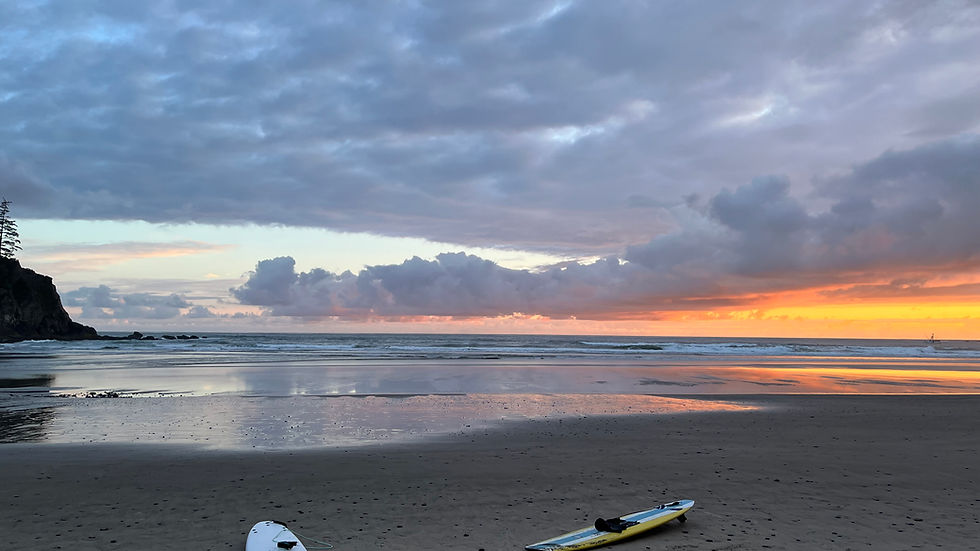
Surfing like a local at Shorty’s isn’t a secret—it’s a mindset. Smaller waves, better boards, cleaner conditions, and respect for the place are what turn first rides into lasting progress.
Embracing the Surfing Community
As you embark on your surfing journey at Short Sands, remember that you are not alone. The local surfing community is welcoming and eager to share their knowledge. Engaging with fellow surfers can enhance your learning experience.
The Importance of Surf Etiquette
Understanding surf etiquette is crucial for a positive experience. Respect the lineup, wait your turn, and be mindful of others in the water. This not only fosters a supportive environment but also helps you build friendships within the surfing community.
Building Confidence Through Practice
Practice is key to becoming a proficient surfer. The more time you spend in the water, the more comfortable you will become. Celebrate small victories, whether it's catching your first wave or mastering a new maneuver. Each step forward is a reason to smile.
Conclusion: Your Surfing Adventure Awaits
Surfing at Short Sands Beach is more than just a sport; it’s an adventure filled with learning and growth. With the right mindset, equipment, and respect for the ocean, you can confidently catch your first waves. Embrace the journey, enjoy the process, and remember that every surfer was once a beginner. Your surfing adventure awaits!

Comments