Start Surfing with Beginner-Friendly Lessons: Master Beginner Surf Techniques

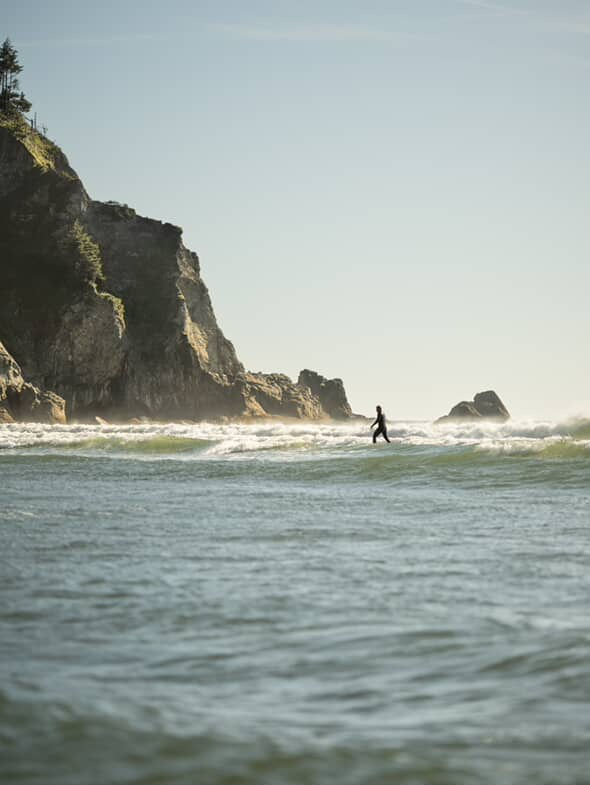
Starting your surfing journey on the Northern Oregon Coast is an exciting adventure. The waves at Short Sands Beach offer a perfect playground for new surfers eager to catch their first wave. If you’ve been dreaming of riding the ocean but don’t know where to start, you’re in the right place. I’m here to share beginner surf techniques that will help you build confidence and enjoy every moment in the water.
Surfing is more than just a sport; it’s a connection with nature, a challenge, and a lot of fun. With the right guidance and a positive mindset, you’ll be standing up on your board before you know it. Let’s dive into the essentials that will make your first surfing experience smooth and rewarding.
Why Beginner Surf Techniques Matter
When you’re new to surfing, the ocean can feel overwhelming. Waves are constantly moving, the water is cold, and balancing on a board might seem tricky. That’s why learning beginner surf techniques is crucial. These techniques help you understand how to paddle, pop up, and ride waves safely and effectively.
For example, mastering the pop-up technique—the move where you go from lying on your board to standing—is a game-changer. Practicing this on the sand before hitting the water can boost your confidence. Also, learning how to read the waves and position yourself correctly will save you energy and increase your chances of catching good waves.
Here are some key beginner surf techniques to focus on:
Paddling efficiently: Use long, smooth strokes to move through the water without tiring quickly.
Pop-up practice: Work on a quick, fluid motion to stand up on your board.
Wave selection: Learn to spot smaller, slower waves that are perfect for beginners.
Balance and stance: Keep your knees bent and feet shoulder-width apart for stability.
By focusing on these basics, you’ll build a solid foundation that makes learning more advanced moves easier and more enjoyable.

Beginner Surf Techniques to Get You Riding Waves
Let’s break down some beginner surf techniques that will help you catch your first wave at Short Sands Beach.
1. Choosing the Right Board
Starting with the right surfboard is essential. Beginners usually do best with a longboard or a foam board. These boards are more stable and easier to balance on. They also float better, which helps when you’re learning to paddle and catch waves.
2. Paddling and Positioning
Paddling is your engine in the water. Lie flat on your board with your chest up and use deep, even strokes. Keep your hands relaxed and fingers together. Position yourself in the water where the waves start to break gently—this is usually closer to shore for beginners.
3. The Pop-Up
The pop-up is the move that gets you from lying down to standing. Here’s a simple way to practice it:
Start lying flat on your board.
Place your hands flat on the board near your ribs.
Push your chest up while bringing your feet under you in one smooth motion.
Land with your feet shoulder-width apart and knees slightly bent.
Practice this on the beach first. It helps your muscles remember the movement before you try it on a wave.
4. Catching Your First Wave
Timing is everything. Watch the waves and paddle toward the shore as a wave approaches. When you feel the wave lift your board, pop up quickly and keep your eyes forward. Stay relaxed and enjoy the ride.
5. Safety First
Always respect the ocean. Wear a leash to keep your board close, and never surf alone. Pay attention to local surf conditions and listen to your instructor’s advice.
If you want a structured way to learn, consider signing up for surf lessons for beginners. Professional instructors can guide you through these techniques with personalized tips and support.

What Age Is Too Late to Learn Surfing?
One of the best things about surfing is that it’s never too late to start. Whether you’re a kid, a teen, or an adult, the ocean welcomes you. Many people begin surfing well into their 40s, 50s, or even later. The key is your willingness to learn and your enthusiasm.
Older beginners might take a bit longer to build strength and balance, but the joy of catching waves and being in the water is just as rewarding. Plus, surfing is a fantastic way to stay active and connect with nature.
If you’re worried about age, remember that beginner surf techniques are adaptable. Instructors at places like SurfLife Surf School tailor lessons to your pace and ability, ensuring you feel comfortable and supported every step of the way.
Preparing for Your First Surf Lesson at Short Sands Beach
Getting ready for your first surf lesson is part of the fun. Here’s how to prepare so you can make the most of your time in the water:
Dress appropriately: The Northern Oregon Coast can be chilly, so a wetsuit is a must. It keeps you warm and protects your skin.
Bring essentials: Sunscreen, water, and a towel are important. Even on cloudy days, UV rays can be strong.
Arrive early: Give yourself time to meet your instructor, get fitted for your board, and warm up.
Stay positive: Surfing has a learning curve. Celebrate small wins like standing up or catching a wave, no matter how short.
Your instructor will guide you through the basics, help you practice on the sand, and then take you into the water when you’re ready. Remember, every surfer started exactly where you are now.
Keep Practicing and Have Fun!
Surfing is a journey, not a race. The more you practice beginner surf techniques, the better you’ll get. Don’t be discouraged by falls or missed waves. Each attempt teaches you something new.
Try to get in the water regularly, even if it’s just for a short session. Watch other surfers, ask questions, and enjoy the beautiful surroundings of the Northern Oregon Coast. The ocean has a way of making you feel alive and connected.
If you want to accelerate your progress, consider joining group lessons or private sessions at SurfLife Surf School. They offer a friendly, supportive environment where you can learn at your own pace and meet other new surfers.
Surfing is about freedom, fun, and feeling the power of the ocean beneath your feet. With beginner-friendly lessons and a positive attitude, you’ll be riding waves confidently in no time.
Ready to catch your first wave? Grab your board, head to Short Sands Beach, and start your surfing adventure today!

Comments