Beginner Surf Lessons: Your First Ride
- Joshua Moore
- Dec 11, 2025
- 4 min read

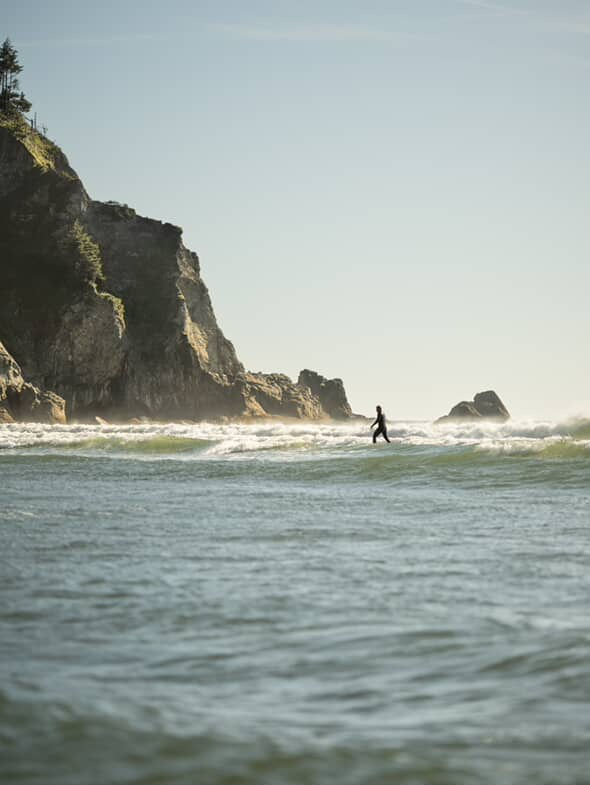
Starting something new can be exciting and a little nerve-wracking. Surfing is no different. When I first stepped onto my board at Short Sands Beach on the Northern Oregon Coast, I felt a mix of anticipation and curiosity. The ocean was vast, the waves were calling, and I was ready to learn. If you’re thinking about catching your first wave, this guide is for you. Let’s dive into what beginner surf lessons look like and how you can make your first ride a memorable one.
Getting Started with Beginner Surf Lessons
Taking beginner surf lessons is the best way to start your surfing journey. Why? Because you get hands-on guidance from experienced instructors who know the local waves and conditions. At SurfLife Surf School, lessons are designed to be fun, safe, and tailored to your pace.
When you book your surf lessons for beginners, you’ll learn the basics step-by-step:
How to choose the right board for your size and skill level
Understanding ocean safety and reading waves
Paddling techniques to help you catch waves
The pop-up move to stand up on your board smoothly
Balancing and riding your first wave
Each lesson builds your confidence and skills. You’ll start with small, gentle waves that are perfect for learning. The instructors focus on positive reinforcement, so you feel encouraged every step of the way.

What to Expect in Your First Surf Lesson
Your first surf lesson is all about getting comfortable in the water and with your board. Expect to spend some time on the sand learning the basics before heading into the ocean. This dry-land practice helps you understand the pop-up technique and how to position yourself on the board.
Once you’re in the water, the instructor will guide you through paddling and catching small waves. It’s normal to feel a bit wobbly or fall off a few times. Surfing is about persistence and having fun, not perfection.
Here are some tips to make your first lesson smoother:
Wear a wetsuit - The Northern Oregon Coast can be chilly, so a wetsuit keeps you warm and comfortable.
Listen carefully - Your instructor’s advice is gold. They’ll help you avoid common beginner mistakes.
Practice popping up on land - The more you practice, the easier it will be in the water.
Stay relaxed - Tension makes balancing harder. Breathe deeply and enjoy the moment.
By the end of your first lesson, you’ll likely catch a few small waves standing up. That feeling of gliding on water is addictive and will have you eager for the next session.
What Age Is Too Late to Learn Surfing?
One of the best things about surfing is that it’s never too late to start. Whether you’re 8 or 80, the ocean welcomes you. I’ve seen people of all ages take their first lesson and find joy in riding waves.
Learning to surf as an adult might feel intimidating at first, but it comes with advantages:
Better body awareness and coordination
Patience and focus to learn new skills
A strong desire to connect with nature and stay active
Kids often pick up surfing quickly because of their fearless attitude, but adults bring determination and mindfulness that make learning rewarding. The key is to find a supportive instructor who understands your goals and pace.
If you’re wondering about age limits, the truth is there aren’t any. SurfLife Surf School welcomes beginners of all ages at Short Sands Beach. The ocean is a playground for everyone, and your first ride can happen whenever you’re ready.

Essential Gear for Your Beginner Surf Lessons
Having the right gear makes a big difference in your surfing experience. Here’s what you’ll need for your beginner surf lessons on the Northern Oregon Coast:
Wetsuit: Water temperatures here can be cool year-round. A 4/3mm wetsuit is usually perfect for most seasons.
Surfboard: Beginners often start on a soft-top foam board. These boards are stable, buoyant, and forgiving.
Leash: This attaches your ankle to the board, so you don’t lose it in the waves.
Wax: Applied to the board’s surface, wax helps you grip the board better.
Rash guard: Optional but useful for extra sun protection and to prevent chafing.
Most surf schools, including SurfLife, provide all the necessary equipment for your lessons. If you decide to surf regularly, investing in your own gear is a great idea. It helps you get familiar with your board and wetsuit, making each session more comfortable.
Tips to Progress After Your First Lesson
Catching your first wave is a huge milestone, but surfing is a journey. Here are some ways to keep improving after your beginner surf lessons:
Practice regularly: The more time you spend in the water, the better you’ll get.
Watch and learn: Observe other surfers, especially those with more experience.
Stay fit: Surfing requires strength and balance. Yoga, swimming, and core exercises help.
Respect the ocean: Always be aware of tides, currents, and local surf etiquette.
Join a community: Surfing with friends or a local group keeps motivation high.
Remember, every surfer falls and wipes out. It’s part of the learning process. Celebrate your progress, no matter how small, and keep your focus on the joy of riding waves.
SurfLife Surf School is here to support you beyond your first lesson. Whether you want to book more sessions or join group classes, they offer a welcoming environment to grow your skills.
Surfing your first wave is a special experience. With the right lessons, gear, and mindset, you’ll be riding the waves at Short Sands Beach in no time. So grab your board, take a deep breath, and get ready for an adventure that will connect you with the ocean and yourself. Your first ride is just the beginning of a lifelong love for surfing.

Comments